

Not all rosacea is the same- learn new insights and an up to date approach to managing rosacea successfully in 2025 from our Aesttheic Physician Dr Jemima Grant. No suprises here- holistic, personalised and symptom based approach, as opposed to the "one size fits all" management is right on track with current evidence best practice of red skin and rosacea.
Symptom Based Management Of Rosacea

As we prepare for 2023 here at #thriveskinclinic, we are excited to be forging our own path, prioritising natural looking results, prevention and holistic care. As an independent medical aesthetic clinic, we are following the path of @drjemimagrant as she develops her love of evidence based skin care, metabolic health and holistic medicine to bring you beautiful skin and a healthy approach to living and ageing well.
You'll see a shift in the way we see skincare in 2023, as we develop our armamentarium with a preference for products and treatments that do more, last longer and leave us looking and feeling healthier.


An innovative new injectable injectable skin treatment targeting skin laxity is about to land on the Australian Medical Aesthetic market in September, and we are excited!
By 2020 some 1.5 million treatments had been performed worldwide with evidence supporting its excellent safety profile and multiple award-winning status, and it has already taken the UK and New Zealand by storm.
Classed as a ‘bio-remodeller’ , this medical product (we can’t advertise the name due to TGA guidelines) improves skin laxity and elasticity to renew your skin from within. It stimulates production of your natural collagen and elastin to prevent lines, wrinkles and optimise skin health and hydration.
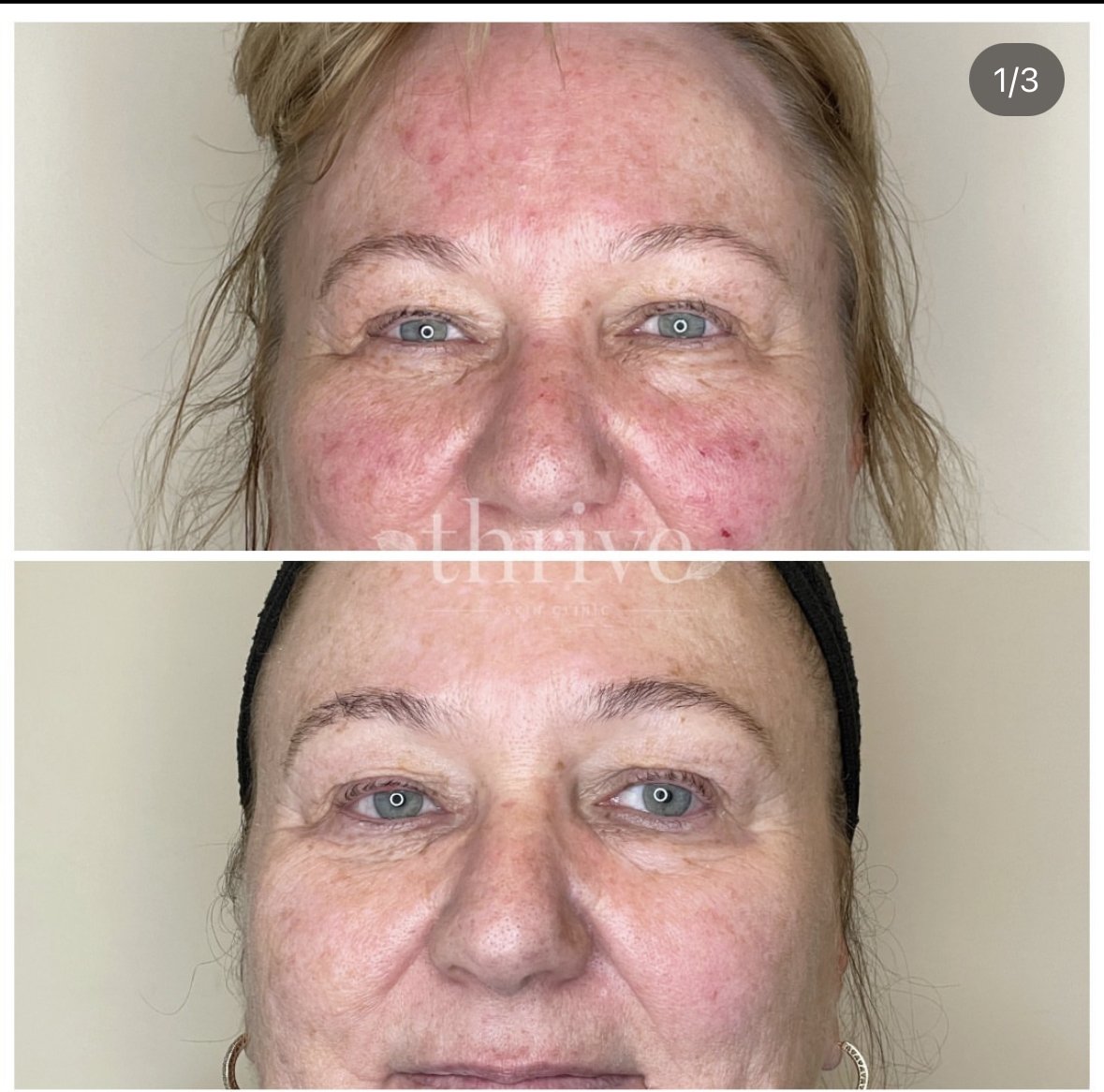


Depigmentation programmes are not "just a peel" - they are a 4 month intensive commitment to your skin and involving significant downtime (redness and swelling), diligent home care and sun avoidance. Read about the these incredible peels without the hype from a doctor who has been performing these peels for years, and her tips on who is a good candidate and how to get long term results.

Cosmelan® is a clinical depigmentation treatment that reduces pigment caused by sun exposure, melasma and post-inflammatory pigmentation from acne or scarring.
We focus on education and ongoing maintenance to give you the best long term outcome for your pigmentation concerns. We’ve treated hundred of patients with pigmentation and can give you the best advice and results with our collaborative consultation, medical treatments including peels and laser, and ongoing care.

🌿 IPL: Questions for you to ask BEFORE your Intense Pulse Light (IPL) Pigment Treatment
As per request from social media- here is a list of questions to ask your clinician to help keep you safe, and assist you to recognise a reputable clinician :




With the unregulated cosmetic landscape in Australia, we need to regulate from the ground up, starting with patient education and empowerment. Read these important tips from a qualified Cosmetic Physician on IPL & Lasers
“ when I ask you to follow these IPL rules, please know that this is to protect you and your skin from harm. This is what doctors are trained to do, (“do no harm”). It s a mandate for us. Personally, I have also found that this approach will give you the best results, in the fastest time possible, which makes it more economical for you in the long run.”

No matter what the cause of your pigmentation issues, I always start with lifestyle advice : stay out of the sun and wear 50+ sun protection every day. This is non negotiable and if my patients are not doing this, I do not progress to lasers or active treatments as treatments wont work.
Find out the why we develop pigmentation, the different types of pigment concerns and the options for pigmentation management from our Medical Director and qualified Cosmetic Physician Dr Jemima Grant.

Learn more about skin laxity and how lifestyle choices and clinical treatments such Ultraformer 3 and Injectable Collagen Stimulators can help to prevent laxity, maintaining skin quality and boosting collagen for long term skin health.

We all want to lose a little something here and there, but with every quick fix there are consequences. Learn more about the difference between our Ultraformer 3 HIFU and fat freezing treatments (cryolipolysis).

Megan Vaughan is a professional makeup artist based in Berry on the NSW South Coast. A renowned weddings specialist, Megan’s talent sees her in constant demand creating radiant brides for their big day.
A self-confessed skin nerd and Thrive regular, Megan maximises the synergy between skin and make-up, and is experienced handling every skin challenge. Here, she answers the most commonly asked questions to help us mere makeup mortals achieve a flawless look.

Jemima Grant completely blindsided when she started experiencing the symptoms of perimenopause, even though she was a GP with years of experience.
"Women have been almost gaslighted by the medical community," she said, noting that this has started to change as more women take on senior medical roles and speak up about their own experiences.
"They come with a problem and are told 'it's nothing, it's in your head, have an anti-anxiety tablet' - which is actually what happened to me, and I'm a doctor."
To equip other women with the knowledge about perimenopause and some of the different ways it can be managed and treated, Dr Grant is hosting an event on November 17.

SPF is "in" at the moment, but it's important to recognise that it's not a BEAUTY PRODUCT. It's not designed to "make your skin glow," act as a "concealer" or "foundation," or makeup. If you have ever had a consultation with me, you know that I will ask very specific information about your SPF use.
Something I hear every day is that patients are using their makeup or BB cream or "sunscreen" as an SPF. Or worse, that they are using their SPF, but just a tiny bit as it makes their skin look "glowy."
In general, a lot of people (especially young women!) are using sunscreens as a COSMETIC, not THERAPEUTIC intervention.
This means that, although it might look good, it's not being used at the correct DOSE to protect you from UV light. This means a false sense of security - your risk of developing skin cancer, pigmentation, redness, and wrinkles! Please use the correct dose; your future self will thank you.

Most men like a simple skin routine - as (most) male skin is thicker and more resilient, I like to keep the routine simple and active.
This means: cleansing and SPF in AM, and a prescription strength retinol cream at night followed by a simple moisturiser. My retinol of choice for normal male skin is either prescription retrieve, or the Alpha Ret Intensive Overnight Serum. (This brand is unparalleled in terms of formulation and tolerability).

Pregnancy and lactation are important times in a woman’s life, however, these milestones are also associated with many skin issues. Some women notice their skin glowing, while others are plagued with acne breakouts, sensitive skin and sallow complexion. In addition, pregnancy and breastfeeding is often a time of increased anxiety in regard to the safety of skincare and in-clinic treatments and the impact they may have on your growing baby.
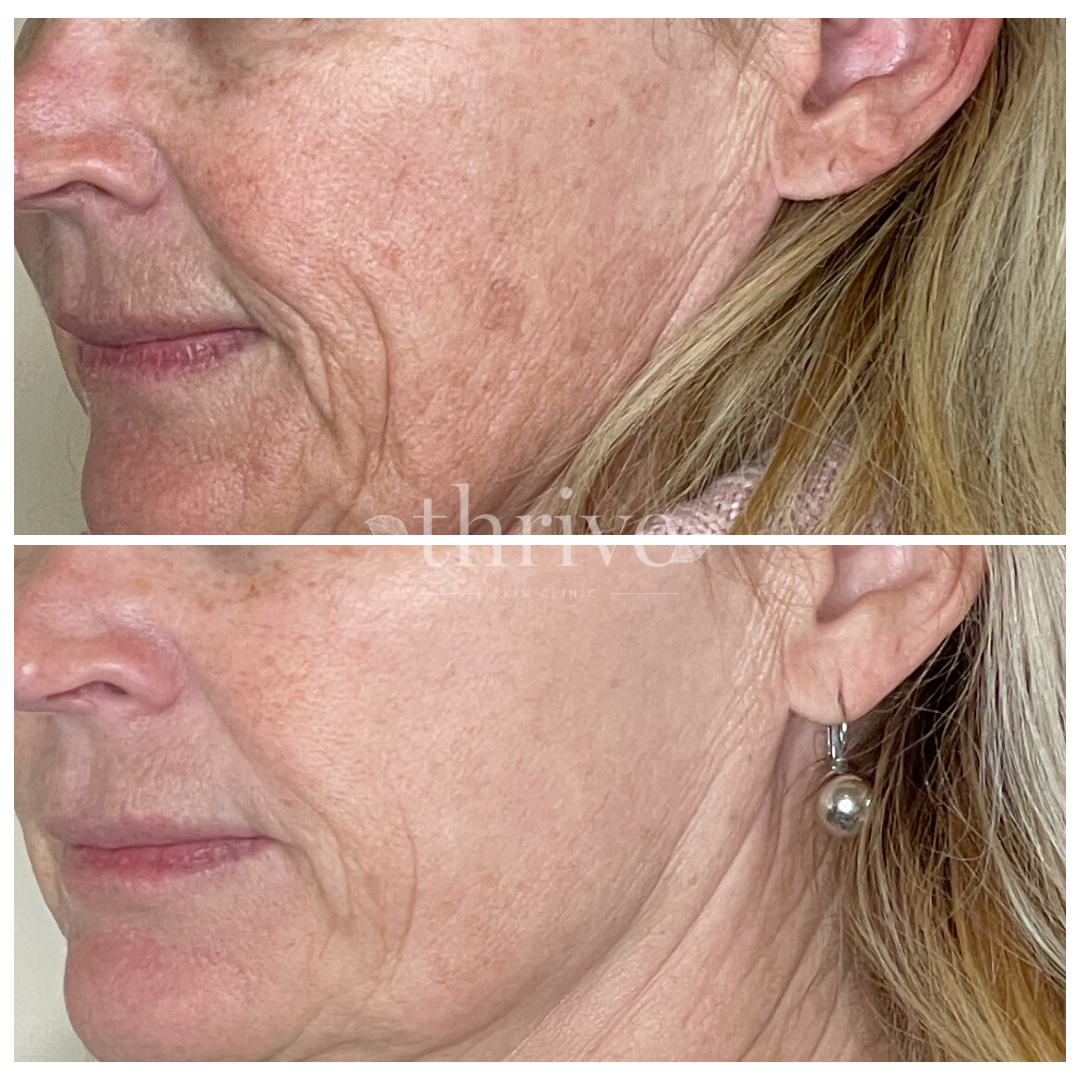
In the ever-evolving world of aesthetics, we are constantly seeking innovative and effective treatments to help our clients achieve healthy and radiant skin without resorting to invasive procedures. One such technique that has been garnering attention is PDO monothread treatments. This involves inserting hairthin, Polydioxanone (PDO) sutures into skin, which can help to strengthen, tighten and support the skin through stimulating collagen formation, providing results without the need for surgery or visible scarring.

The neck and décolletage (chest) often receive less attention than the face in skincare routines and in clinic treatments. As such many patients present in their 40 and 50s with neck concerns such as pigmentation, dry skin, and laxity (the dreaded Turkey Neck)!
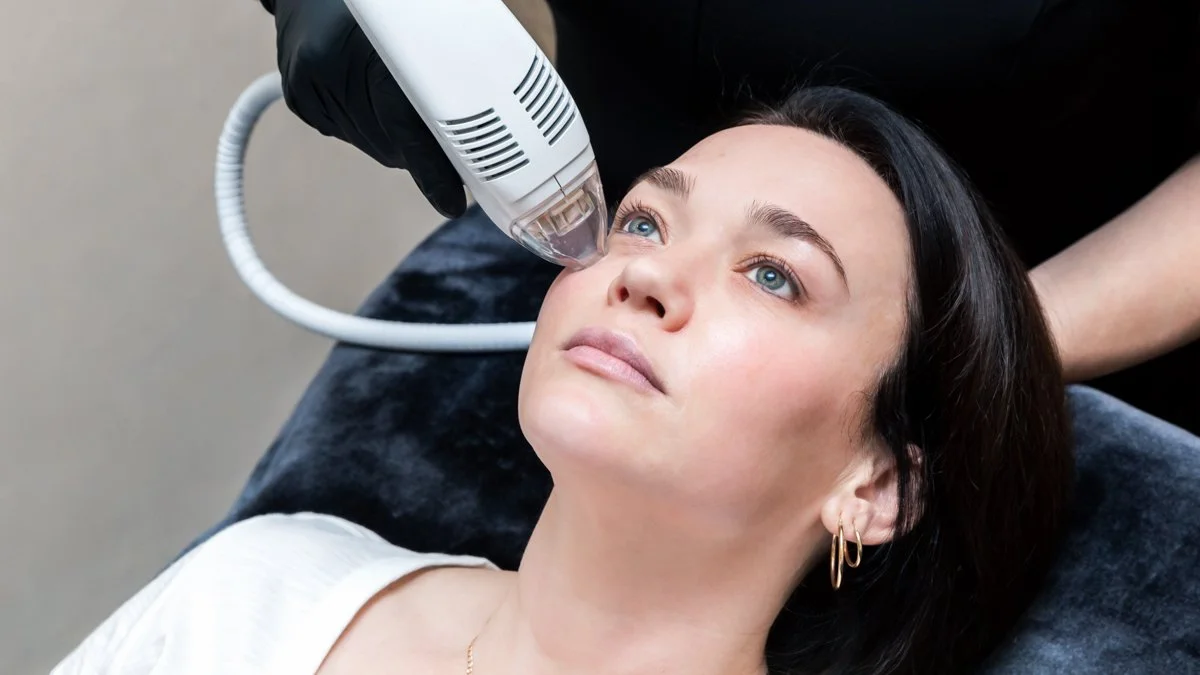
Tixel® is a skin rejuvenation system based on thermo-mechanical energy, meaning it uses heat and pressure energy to remodel skin. It’s not a laser, however it can bring about the same type of skin changes you see with a non ablative laser, with an increased safety profile and ability to treat the eye region.

Truthfully- most people who are bothered by under eye concerns won’t get a great results from dermal filler. It is the single most important area for rigorous assessment and consultation prior to treatment, as each person has a different underlying medical history and anatomical considerations- not all patients are suitable for fillers in this area.
Read more about who is a good candidate for dermal fillers under the eye, alternative options and other intervention to help improve the under eye area.

In order to make healthy skin, your body needs the building blocks to synthesise important skin proteins like collagen and elastin. These building blocks are known as amino acids.
If you are a vegan or vegetarian, you will really struggle to do this, as these diets are plant based - and there is not a lot of protein in plants. Learn about how to optimse your diet, and skin/metabolic diet in this blog by GP and Aesthteic Physician Dr Jemima Grant.
For my plant based patients looking to optimise skin, I suggest they supplement their diets with protein. Increasing protein will improve the look and feel of skin and also improves the outcomes of a collagen induction treatment such as microneedling, tixel, ultraformer and lasers. This is based on my experience observing clinical results - but I did recently find some evidence on this topic to share.

I was vaguely horrified when I heard the words ‘dermal filler’. However before I ran screaming, Dr Grant outlined the approach Thrive embraces: small tweaks across the mid and lower face, to support the face’s natural structure and balance. She assured me that only the volume that had been lost over the years would be replaced, leaving me looking like… well, me. The adjustments are so subtle that they could almost go unnoticed individually; but in combination turn back the clock almost immediately. The result, she explained, looked natural, and was customised to each unique face.

Like everything skin, there is no one size fits all approach. Our medical clinic has a range of devices and treatments to suit different types of pigmentation including Intense Pulse Light treatment (IPL), Q-switch laser and advanced depigmentation peels- we often combine these to get the best options and customise a plan for your skin depending on the cause of pigmentation, your skin integrity, ability to manage social downtime and your budget.
To help you get started treating pigmentation this winter, here are Dr Jemima Grant’s tips for success:



Stretch marks are a common concern, and while they often occur post partum, stretch marks can also arising during adolescence or times to rapid body /weight changes.
It's important to consider that stretch marks are NORMAL, but if they bother you, there are some treatment options.