
A Holistic Approach to Acne
/
The Holistic Acne Approach by @drjemimagrant
Like everything in medicine, good management is customised to your skin and you as a person, not from a checklist. In order to achieve good control, you must see a professional and have a consultation.
My general approach can be summarised as follows:
1. Start with your lifestyle:
Your acne will not get better no matter what you do if you eat the wrong food, don't eat enough food, or if you are extremely stressed or anxious.
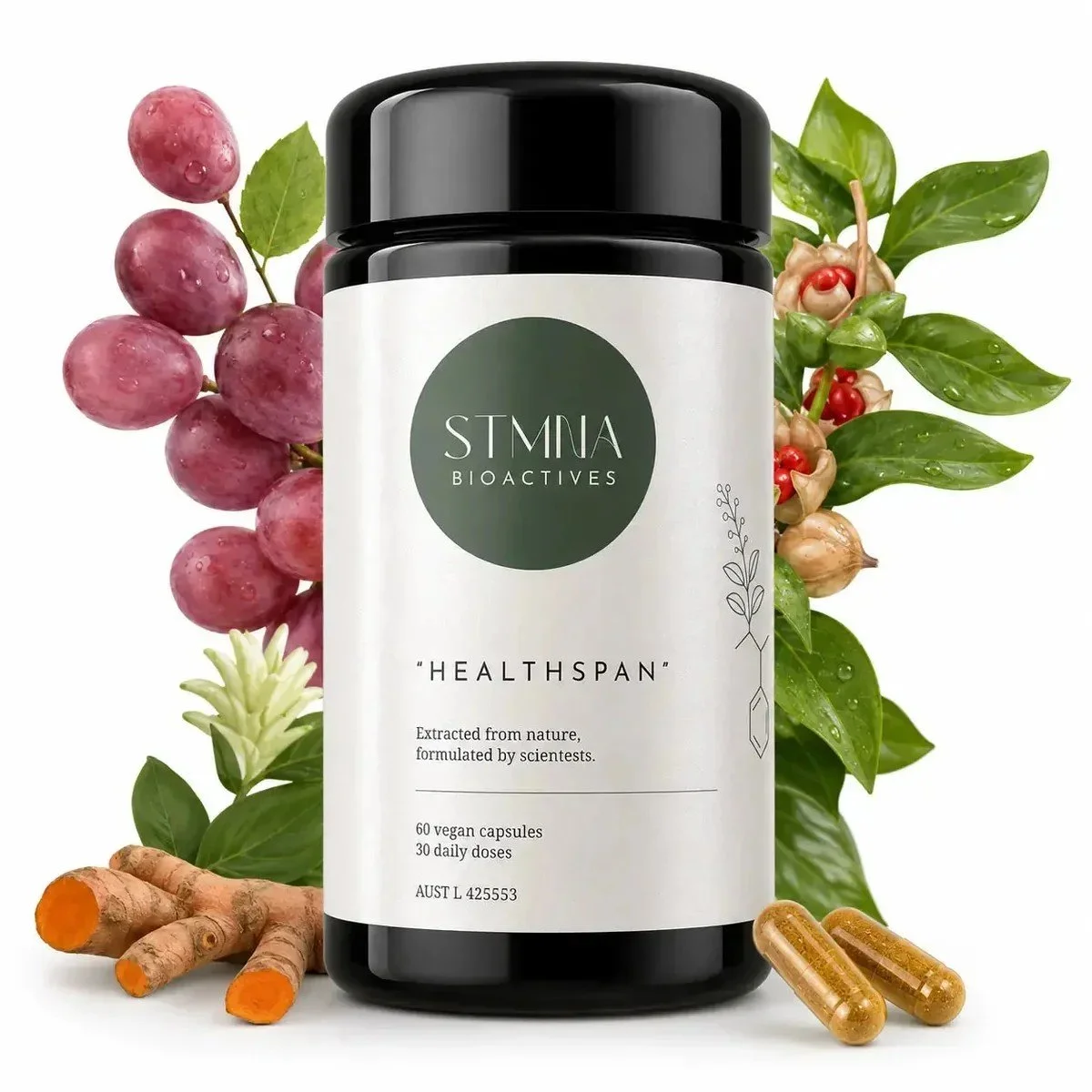
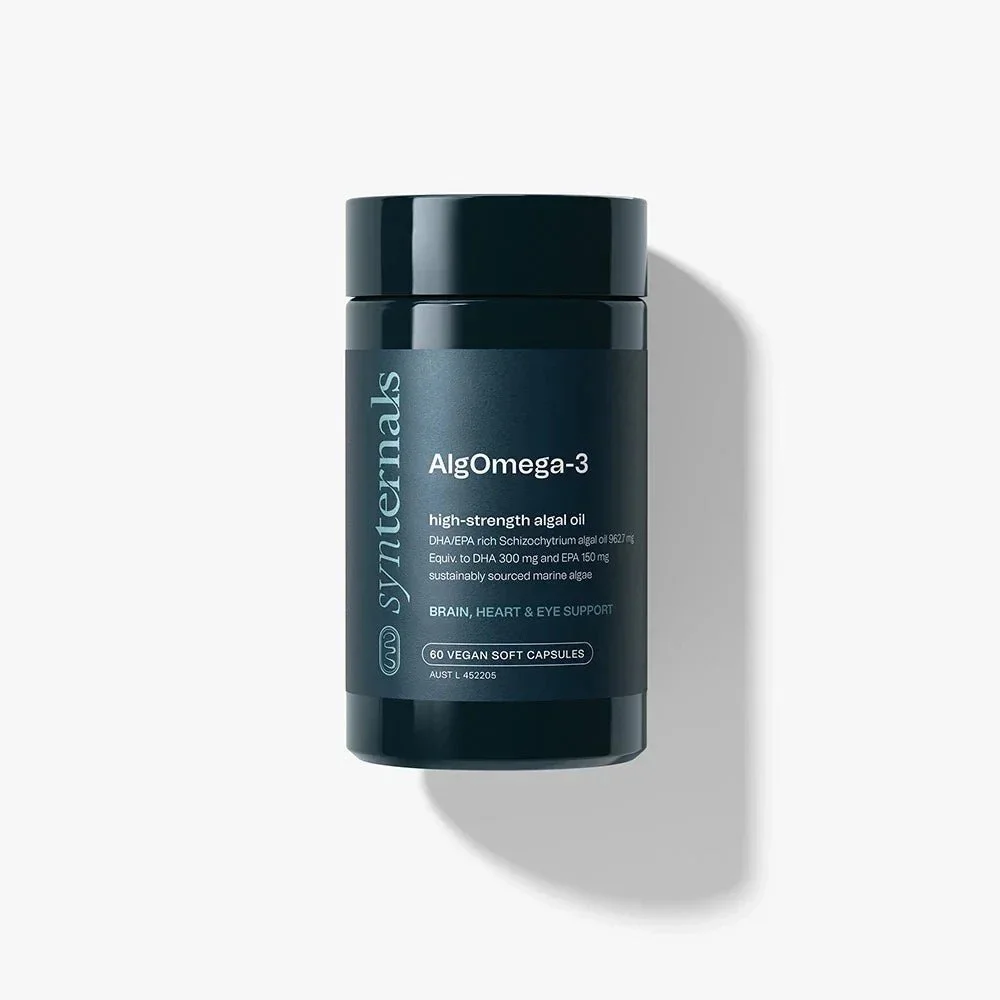
Consider supplements to support your skin from the inside, especially if your clinical examination supports this. I'm happy for you to start these before I see you. The ones I use most are:
Synergie DermaGut+, a prebiotic fibre to support your gut health, which is closely linked to your skin.
Omega-3 fatty acids to support your skin barrier: Metagenics, or Synergie AlgOmega-3 if you prefer a vegan option.
STMNA Healthspan, a daily foundation for your metabolic health and wellbeing.
Move your body for at least 30 minutes each day. Enjoy it, don't suffer!
Consider your mental health: if you pick your acne, no topical treatment or medication will work. You need to reduce stress and get some psychological support.
2. Consider your metabolic health and hormones
Chart your acne against your menstrual cycle (in women).
Consider your use of recreational steroids and hormones (in men). If you take steroids or hormones from the gym, they will give you acne.
Ask your doctor to examine your acne: yes doctors, you need to touch your patients! Assess where the acne is (face, chest, back), how severe it is, and look for scarring. Is the skin oily and thick, or sensitive and red? Are there any signs of insulin resistance, such as weight gain around the middle or darker skin in the armpits or neck folds? Are there signs of zinc deficiency?
Consider blood tests to assess your metabolic health: general nutritional status, hormonal profile and insulin pathways. I use standard pathology blood tests. I do not use expensive private labs or saliva tests, as I am not convinced there is good evidence for them, and they are VERY expensive.
3. Treatment options
Diet: It is important to see the fuel you put in your body as medicine. Our food and lifestyle change how our genes are expressed, which is why you can change your appearance and general health through diet and lifestyle. Food and lifestyle are the safest and most cost-effective of all medicines!
This is the evidence-based advice linking acne with diet: if your diet is high in trans fats (takeaway food) or simple carbohydrates (bread, pasta, rice), try to stay away from these foods. Increase grass-fed meat and veggies/salads. I prefer a diet high in protein and low in carbs for acne and general hormonal health. Reduce sugary drinks and make water your drink of choice. If you drink a lot of milk, reduce it. Eat a handful of nuts a day.
However, there is no one diet for every person. Just do your best.
Medical treatment and home care: My general approach is to hit acne hard. If you have come all the way to see me, you have usually had acne for some time. I start with evidence-based, medical-grade home care to calm inflammation and repair your skin barrier, introduced slowly (a few times a week, then increasing), together with gentle exfoliation.
Depending on how severe your acne is, I may also recommend prescription treatment. For women, this can include hormonal options, which we discuss in detail: they can work very well, but some are long-term options with side effects, and some are not suitable if you could become pregnant.
If we cannot gain control of your acne within 3 months, or you have severe active acne with scarring, I will refer you to a dermatologist. This is really important: scarring is irreversible. All beauty, skin and alternative practitioners and doctors need to be on the same page here, as our patients need to come first.
In-clinic treatments: My acne protocol has come a long way. Every plan now starts with the 12-Week Skin Reset: alongside medical treatment and home care, I use a course of BioRePeel, HydraFacial and low-energy laser to calm inflammation and help clear congestion.
Finally, when acne is settled and your skin barrier is healthy, I treat the scarring. This usually means ablative laser (UltraClear), and subcision for depressed scars (breaking up the scar tissue that tethers the scar down), with volume support where needed. These treatments involve some recovery time and, like all procedures, carry risks, which we go through at your consultation.
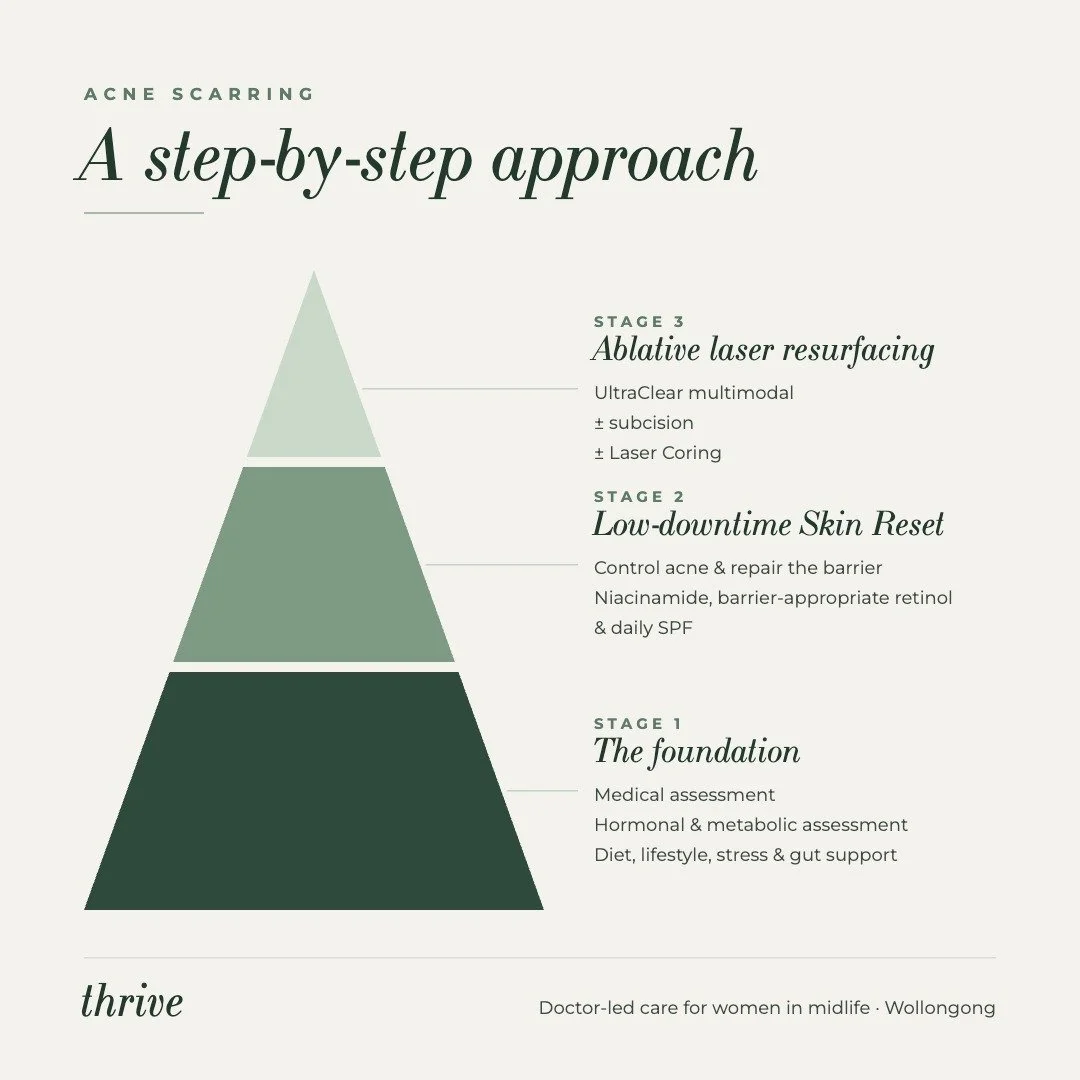
The most important thing, once more, is that everyone's acne is different.
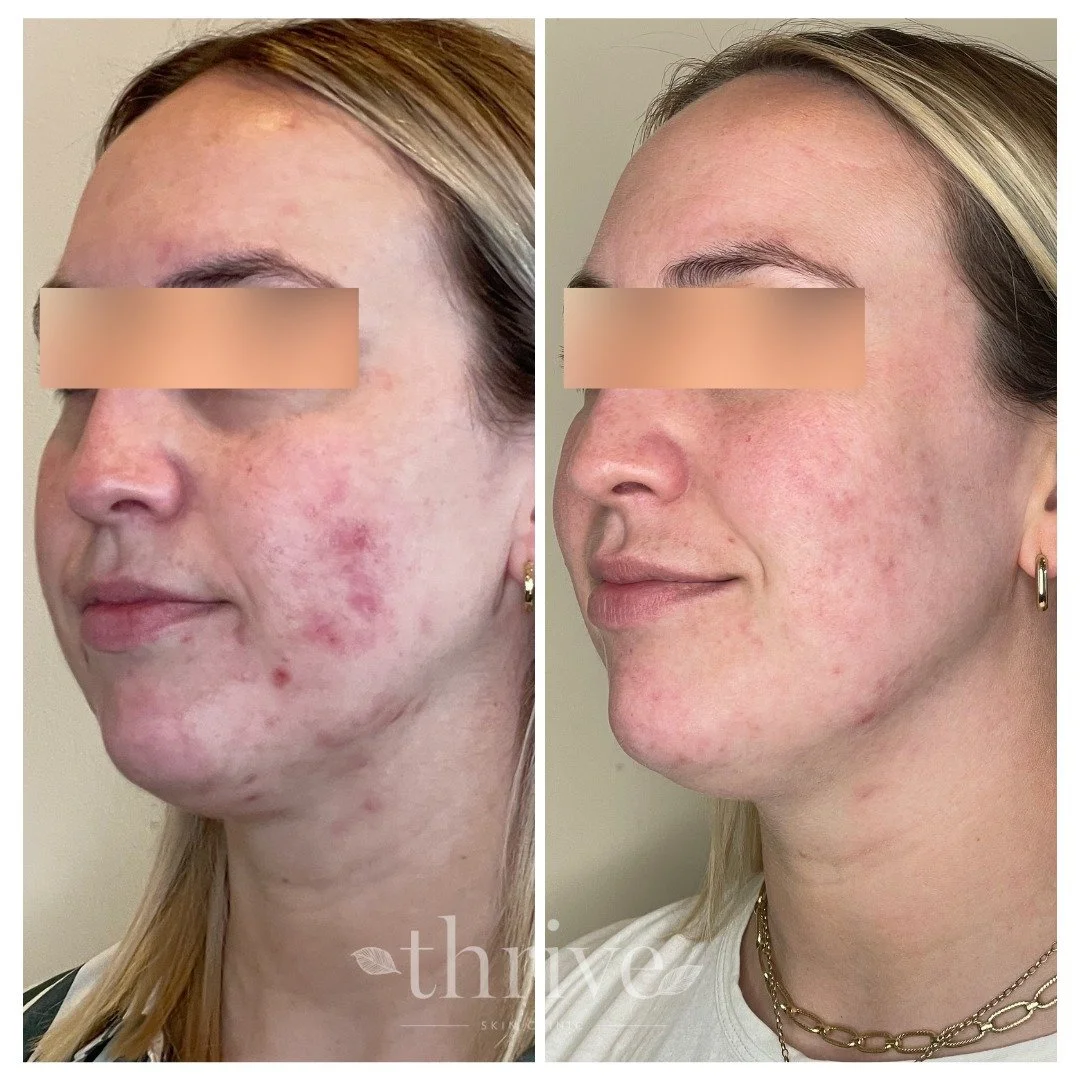
Multimodal acne treatment: medical treatment, peels and laser. Results are specific to this patient and vary between patients.
There is no one acne diet, pill or treatment. Please have an open mind and don't feel bad if your acne needs medication to settle. Humans are a complex mix of genes and environment, and there are just some genes you can not manipulate with facials, peels and the best diet in the world.
I always follow the evidence based guidelines for acne, which were updated a few years ago. If you suffer from acne and want to refer to a summary that is easy to read - check out this journal article. Feel free to bring it to your GP!
https://www.hmpgloballearningnetwork.com/site/thederm/article/6866
How do I start?
Every treatment plan starts with a medical consultation. Choose a 30-minute skin consultation if you're coming for your skin, or a 60-minute integrated consultation if you're in perimenopause and want a comprehensive approach to your hormones, skin and metabolic health.